

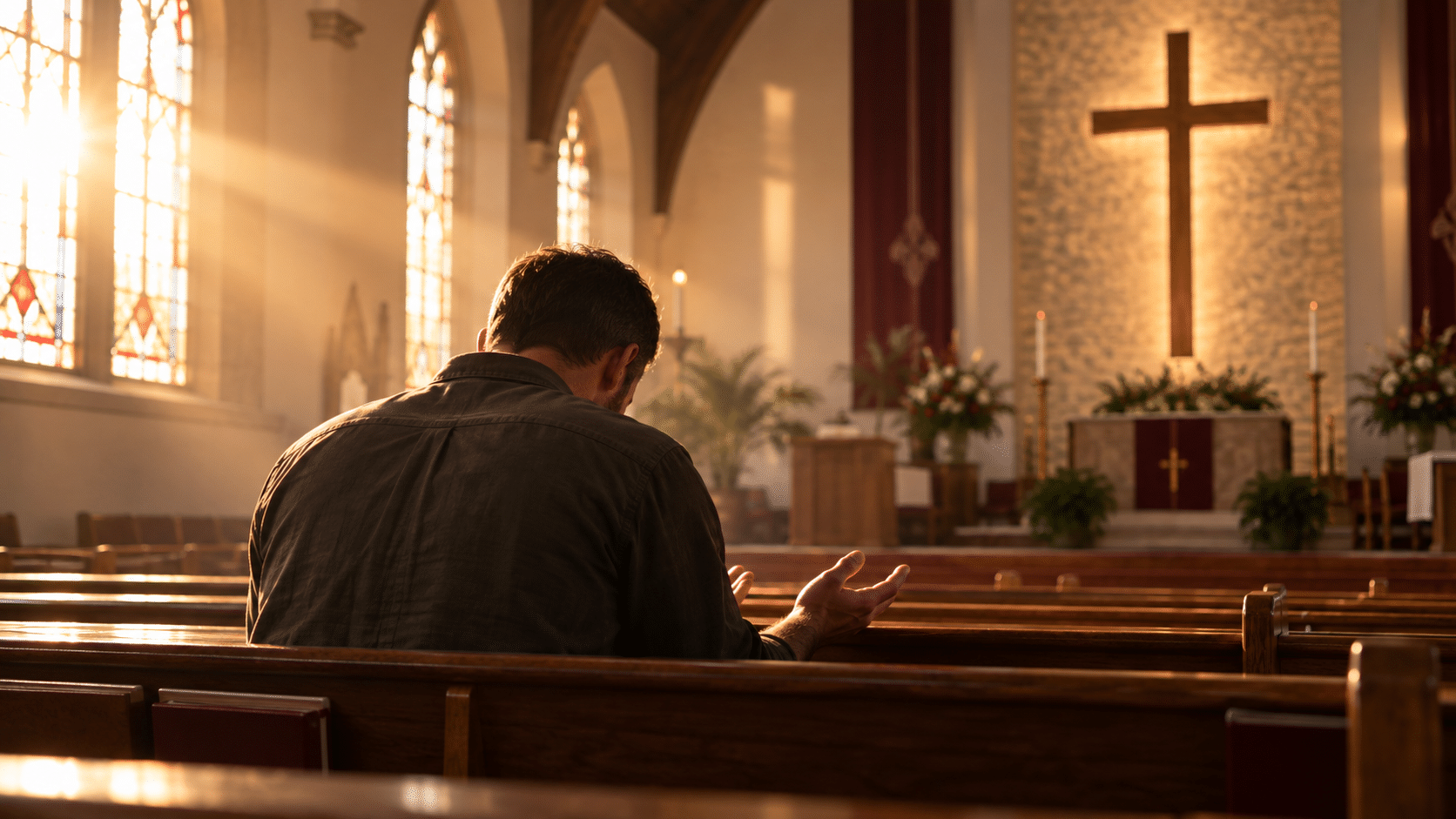
Our Eyes Are on You, Lord
What do you do when the problem is bigger than your strength and you do not know which direction to take? In this encouraging midweek sermon, Pastor Jeff Houston turns to 2 Chronicles 20 and King Jehoshaphat’s prayer when Judah was surrounded by powerful enemies. The king did not pretend to have every answer. He admitted the nation’s weakness and declared, “Neither know we what to do: but our eyes are upon thee.”
This message speaks directly to seasons of worry, fear, exhaustion, family struggles, difficult medical news, and circumstances we cannot repair ourselves. Faith does not deny that the problem exists. Faith recognizes that God is greater than the problem and places the battle into His capable hands.
Admit When You Do Not Know What to Do
Jehoshaphat faced three armies and honestly confessed that Judah had no power against them. Pastor Jeff reminds us that there are moments when we also need to admit, “I am weak. I am tired. I need direction.” Honesty before God is not a failure of faith. It is often the first step toward victory because it turns our attention away from our limited ability and toward the Lord’s unlimited power.
We do not know what to do, but our eyes are on You, Lord.
God Is Bigger Than the Problem
Faith does not require us to pretend that everything is fine. It looks directly at the struggle and says, “This is bigger than me, but it is not bigger than God.” The family situation, doctor’s report, financial pressure, or uncertain future may exceed our ability, but none of it exceeds God’s wisdom, strength, or authority.
Pastor Jeff points to 2 Timothy 3:11, where Paul testified that the Lord delivered him from every persecution, and Psalm 24:1, which declares that the earth and everything in it belong to God. The Lord has not lost control. He remains on the throne, and He can handle what we cannot.
Stop Carrying What God Never Asked You to Carry
Much of our exhaustion comes from carrying burdens God never assigned to us: other people’s problems, yesterday’s mistakes, fear about tomorrow, or the weight of what someone said. God invites us to release those burdens into His hands. The same hands that parted the Red Sea, protected the Hebrew children, shut the lions’ mouths, and raised the dead are still able to help His people today.
- Give your worry to God and receive His peace.
- Give your fear to God and receive faith.
- Give your confusion to God and receive direction.
- Give your weakness to God and receive strength.
- Give your problem to God and trust Him for the answer.
Release the Burden and Leave It With God
It is possible to pray about a burden and then immediately pick it back up through worry. Pastor Jeff uses a simple illustration: if we place something in God’s hands but keep holding onto it, we have not truly released it. We must decide whether we will continually worry or genuinely pray, trust, and leave the outcome with the Lord.
God’s wisdom is greater, His timing is better, and His plans reach farther than ours. He can turn a battle into a blessing and a place of fear into a testimony of victory. Our role is to obey, pray, praise, and trust Him rather than trying to control an outcome that belongs to God.
The Battle Is Not Yours
Second Chronicles 20:15 gives the heart of the message: “Be not afraid nor dismayed by reason of this great multitude; for the battle is not yours, but God’s.” Judah went forward praising the Lord instead of depending on weapons or human strength. By the time they reached the battlefield, God had already defeated the enemy.
Whatever battle you are facing, keep your eyes on the Lord. Release what is too heavy for you, continue praying, and begin praising God before you see the answer. Watch the full sermon and be encouraged to trust the One who can make a way, bring victory, and turn the situation around.
Frequently Asked Questions
What is the main Scripture for this sermon?
The central passage is 2 Chronicles 20:12, where King Jehoshaphat admits that Judah has no power against the enemy and prays, “Neither know we what to do: but our eyes are upon thee.”
What does “the battle is not yours, but God’s” mean?
Second Chronicles 20:15 teaches that God’s people should obey, pray, and trust Him instead of depending only on their own strength. The outcome ultimately belongs to the Lord.
Does faith mean ignoring a serious problem?
No. Biblical faith honestly recognizes the problem while trusting that God is greater. Jehoshaphat acknowledged Judah’s weakness before placing his confidence in the Lord.
How can Christians give their worries to God?
Bring the concern to God in prayer, release the outcome to Him, return to His promises when worry resurfaces, and continue praising and obeying Him rather than repeatedly taking the burden back.
Why do people feel exhausted from carrying burdens?
We often carry fears, regrets, other people’s problems, and situations God never asked us to control. Releasing those burdens to the Lord allows us to depend on His wisdom and strength.
Who preached this sermon?
Pastor Jeff Houston preached this message at Clayton First Assembly of God on October 14, 2026.